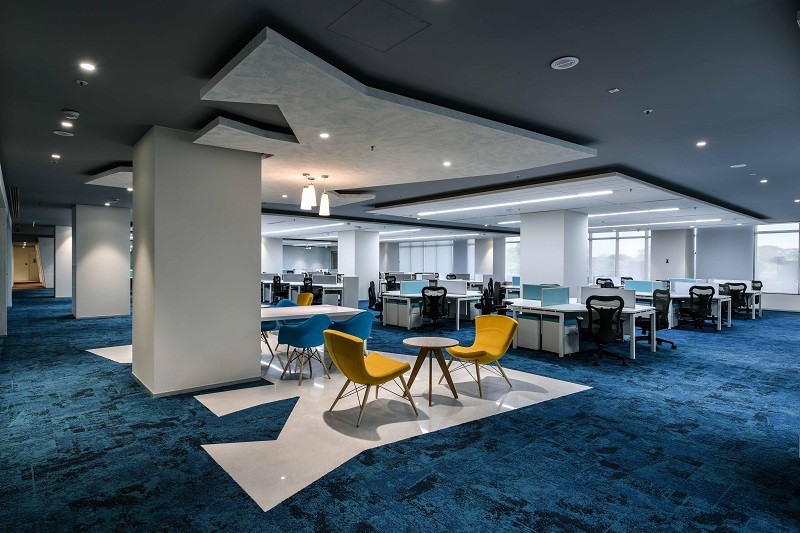
How Business Interior Design Reflects Brand Identity
Learn how strategic design choices communicate your company’s values, mission, and professionalism.
In a world where first impressions matter, business interior design has become a powerful extension of your brand identity. It’s not just about beautiful décor—it’s about communicating who you are as a company, what you stand for, and how you want clients, customers, and employees to feel the moment they walk into your space.
Here’s how your business interiors can reflect and reinforce your brand identity effectively:

1. Translating Brand Values into Visuals
Every brand is built on values—innovation, trust, creativity, sustainability, and more. Business interior design transforms these abstract concepts into tangible design elements.
-
A tech company that values innovation might opt for open layouts, bold colors, and smart tech integration.
-
A wellness brand could lean into natural lighting, earthy tones, and organic textures.
-
A law firm may favor classic, structured designs with darker wood and leather to exude authority and trust.
Your interior space should visually echo what your business stands for.
2. Color Psychology in Branding and Design
Colors play a key role in both branding and interior design. The hues you choose can subconsciously influence how people perceive your brand.
-
Blue often symbolizes trust and professionalism (ideal for finance or healthcare).
-
Green is linked to wellness and sustainability.
-
Red can be energizing and bold, great for dynamic industries.
-
Neutral tones are sophisticated and minimal, often used by high-end or luxury brands.
By aligning your interior color palette with your brand colors, you ensure consistency across all touchpoints—online and offline.
3. Layout That Supports Your Mission
Your layout should match your company’s work culture and mission. If your brand promotes collaboration and transparency, open-plan designs, glass partitions, and communal work areas make sense. If privacy and focus are vital, create zones with acoustic treatments and private cabins.
Your mission should shape how space is divided and used.
4. Branding Through Details
Subtle branding elements throughout your space reinforce your identity:
-
Wall graphics featuring your logo or values
-
Custom signage and wayfinding that match your brand font and tone
-
Branded stationery, digital displays, and even scent marketing (yes, that’s a thing!)
These details help people connect emotionally with your brand.
5. Furniture and Materials That Tell a Story
The materials and furniture you choose also send a message. Minimalist furniture shows modernity and efficiency. Handcrafted pieces may suggest attention to detail and local craftsmanship. Reclaimed wood and recycled materials reinforce sustainability.
Your interior choices should tell a consistent brand story.
6. Customer & Employee Perception
An aligned interior design boosts both employee morale and customer confidence.
-
Employees feel more connected to a brand that surrounds them with spaces that reflect shared values.
-
Clients and visitors are more likely to trust a brand that looks consistent, polished, and intentional.
Design isn’t just decoration—it’s communication.
Conclusion
Your physical workspace is a visual ambassador of your brand. When thoughtfully designed, it communicates your mission, values, and style without saying a word. Whether you’re a startup or an established enterprise, investing in strategic business interior design is a smart way to build trust, create consistency, and stand out in a competitive market.
Make your space speak your brand.


